When preparing immigration or visa applications, legal documents serve as the foundation of a successful outcome. However, terminology discrepancies during the translation process can create significant barriers, leading to application rejections or unnecessary processing delays.
To ensure legal compliance, securing a notarized Vietnamese translation that meets regulatory standards is essential. Whether you need visa document translation or certified Vietnamese translation for relocation files, precision is critical. This article provides a comprehensive overview of the essential documents that require notarization, as well as the standard process for professional Vietnamese document translation, helping you submit your application with confidence.
1. Required Documents in Immigration and Visa Applications
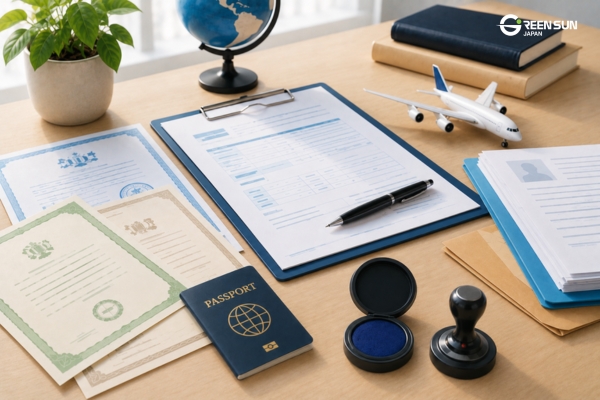
For visa or relocation applications, government authorities often require accurate translations of personal identity and financial records. Compliance with formal presentation standards is a critical foundation for a smooth review process. Below are the documents that frequently require professional Vietnamese document translation:
・Vital Records: Birth certificates, marriage certificates, divorce decrees, or death certificates.
・Academic Credentials: Diplomas, transcripts, school reports, or professional certificates.
・Legal and Financial Records: Police clearance certificates, household registration booklets, property deeds, or employment contracts.
・Visa Supporting Documents: Invitation letters, employment verifications, bank statements, and financial source explanations.
・Medical Records: Health examination results from designated medical facilities authorized by immigration authorities.
For these files, applicants are typically required to provide a notarized Vietnamese translation verified by an authorized entity. Whether you are managing visa document translation or securing certified Vietnamese translation for consular submission, maintaining strict consistency in legal terminology is key to avoiding costly errors.
2. Potential Risks of Self-Translating Immigration Documents
Many applicants consider handling their own visa document translation to reduce costs. However, in official immigration and visa procedures, regulatory authorities require not only linguistic accuracy but also precise legal terminology. Attempting to translate documents yourself can lead to several serious consequences:
・Inaccurate Legal Terminology: A single misinterpreted term in a Vietnamese document translation can alter the legal meaning of the document, potentially causing authorities to question the authenticity of your entire file.
・Non-Compliance with Formatting Standards: Consulates often enforce strict requirements for presentation, certification stamps, and translator declarations. A translation that fails to meet these formal criteria can result in application rejection.
・Timeline Disruptions and Delays: Having an application returned for corrections or re-translation can disrupt your travel timeline and create unnecessary stress.
To help ensure a smooth process, investing in a professional certified Vietnamese translation service is a worthwhile decision. Beyond ensuring accuracy, specialized agencies understand the specific requirements of each destination country, helping your file achieve a higher level of credibility before immigration officials.
3. The Translation Quality Assurance Process
For a translation to be accepted by consulates or immigration authorities, the process must follow strict quality control standards. Prioritizing accuracy from the very beginning can significantly reduce processing time and application-related costs.
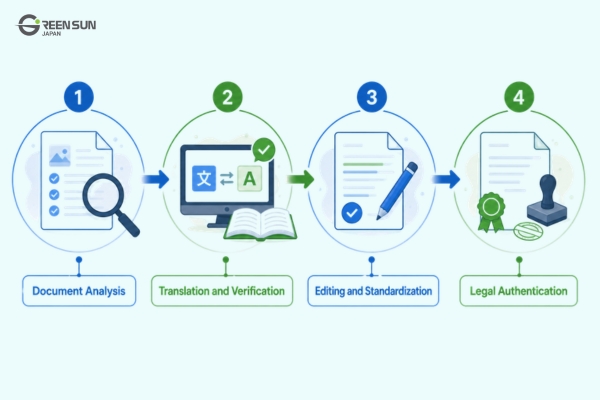
A professional translation workflow typically includes the following core stages:
1. Document Analysis: A team of experts reviews the files to identify the document type, technical terminology, and specific formatting guidelines required by the receiving authority.
2. Translation and Verification: Experienced linguists complete the translation, which is then carefully cross-checked against the original document to ensure accuracy in personal data, dates, and official stamps.
3. Editing and Standardization: Editors refine the language and ensure the terminology aligns with the administrative standards of the destination country.
4. Legal Authentication: For documents requiring high legal validity, the translation is officially notarized to certify its legal compliance before immigration officials.
Ultimately, choosing a reputable Vietnamese document translation service not only helps ensure your application complies with regulatory requirements but also protects your personal interests throughout your immigration process.
4. Conclusion
Preparing legal documentation is one of the most important stages in your immigration and visa journey. Rather than viewing this process as an administrative burden, understanding the requirements for notarized Vietnamese translation and ensuring precise terminology can help establish credibility with the receiving authorities.
Do not allow minor clerical errors to become barriers that disrupt your plans. Taking the time to understand your options and choosing a professional translation service can help ensure document compliance, optimize your timeline, minimize legal risks, and bring you closer to your immigration or academic goals. Secure a stronger outcome by preparing your application proactively and systematically today.
5. FAQs
Q1: Why do immigration procedures require a notarized Vietnamese translation instead of a standard translation?
A: Consular and immigration authorities require notarized translations to ensure official legal validity. This type of document includes the translator’s signature and the certification stamp of an authorized entity, assuring consular officers that the content has been accurately translated and remains consistent with the original document.
Q2: Is it acceptable if I handle my own visa document translation?
A: Self-translation is highly discouraged because official visa files require specialized legal terminology. Even a minor discrepancy in dates or phrasing can prompt consular officers to question the transparency of the file, resulting in requests for additional evidence or possible visa denial.
Q3: Does professional Vietnamese document translation increase application approval rates?
A: Professional translation does not directly determine visa approval decisions. However, it plays a critical role in ensuring your file includes compliant certified Vietnamese translation that meets formatting and legal standards. This allows consular officers to review your application more efficiently and helps avoid unnecessary complications caused by linguistic misunderstandings.

Kickstart a Seamless Immigration Journey with Certified Translations
Do not allow language barriers to delay your application progress. We are committed to supporting you with professional visa document translation and immigration services, giving you greater peace of mind:
Uncompromising Accuracy: Rigorous quality control applied to every legal term, seal, and official stamp.
⚡ Time Optimization: Fast processing turnarounds to help you stay on track with your international timeline.
🛡️ Complete Confidentiality: Your personal data and sensitive information are protected under strict non-disclosure practices.
Contact us today for a consultation to standardize your application file and secure your certified Vietnamese translation for a stronger outcome.