Review Japanese-to-English tourism content for meaning first, then for natural English and consistency. Separate genuine errors from stylistic preferences so the team fixes the right problem.
Key takeaways
- Preserve the offer and every relevant condition.
- Edit vague English without introducing new claims.
- Record the source, issue, and proposed correction so someone can approve the change.
Tourism translation problems are not always dramatic. A sentence can be grammatical yet unclear. A polished edit can add a service the operator never offered. A short label can omit the condition that matters most.
The examples below are created for illustration. They are not quotations from a Green Sun client project or evidence of how frequently a particular error occurs.
1. Treating polite Japanese structure as mandatory English wording
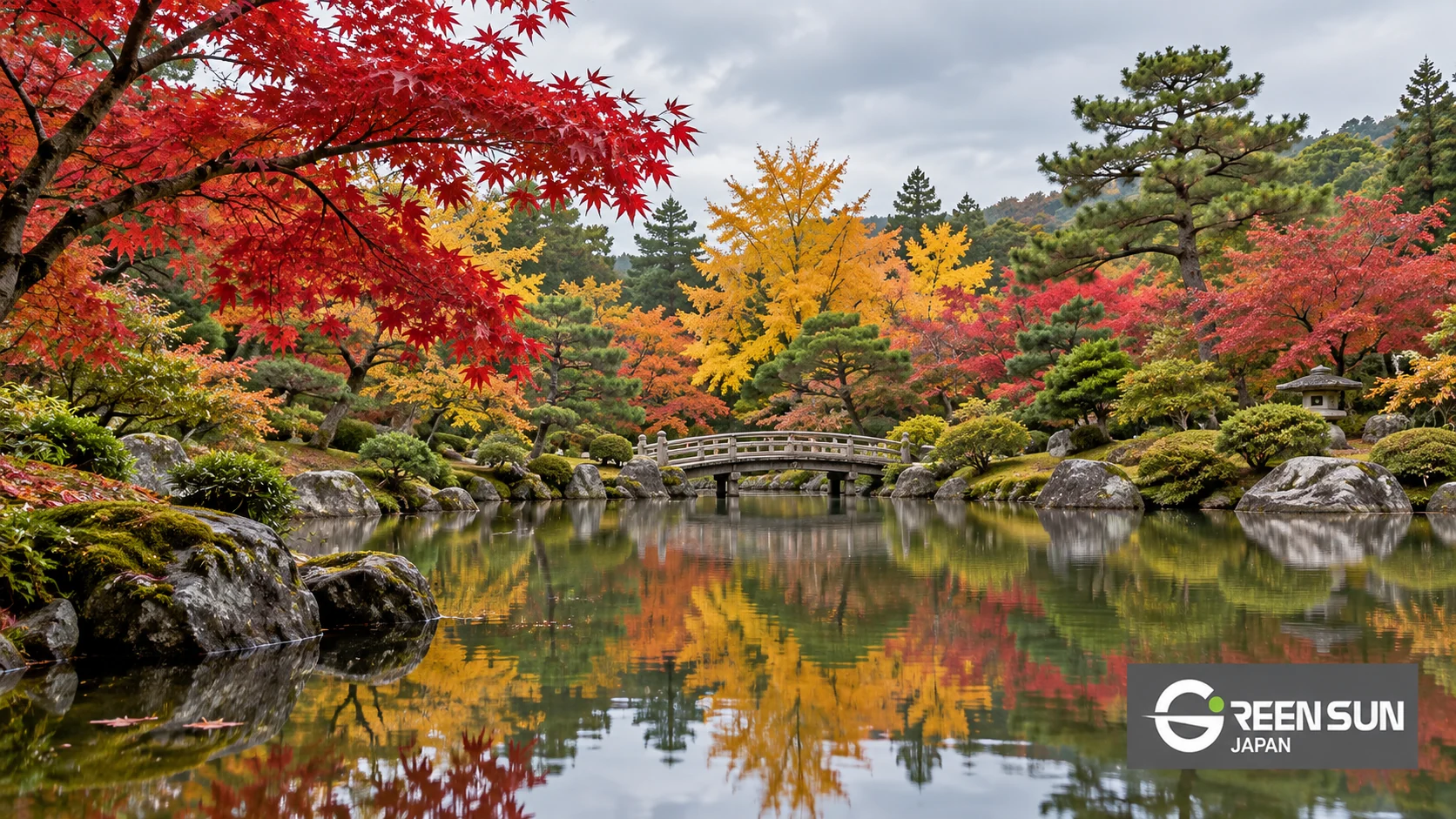
A phrase such as “Please enjoy the autumn scenery” is not automatically wrong. It may simply feel generic in a product description. The editing question is whether the English suits the channel and communicates the intended invitation.
Illustrative edit: “Please enjoy the scenery of autumn” becomes “Take in the fall colors.” The revision is shorter and natural without claiming a new activity.
Do not replace every polite sentence mechanically. Keep explicit instructions polite where that is useful, and preserve required restrictions. Label this kind of change as an improvement in style unless the original meaning was actually wrong.
2. Choosing a cultural equivalent without checking context
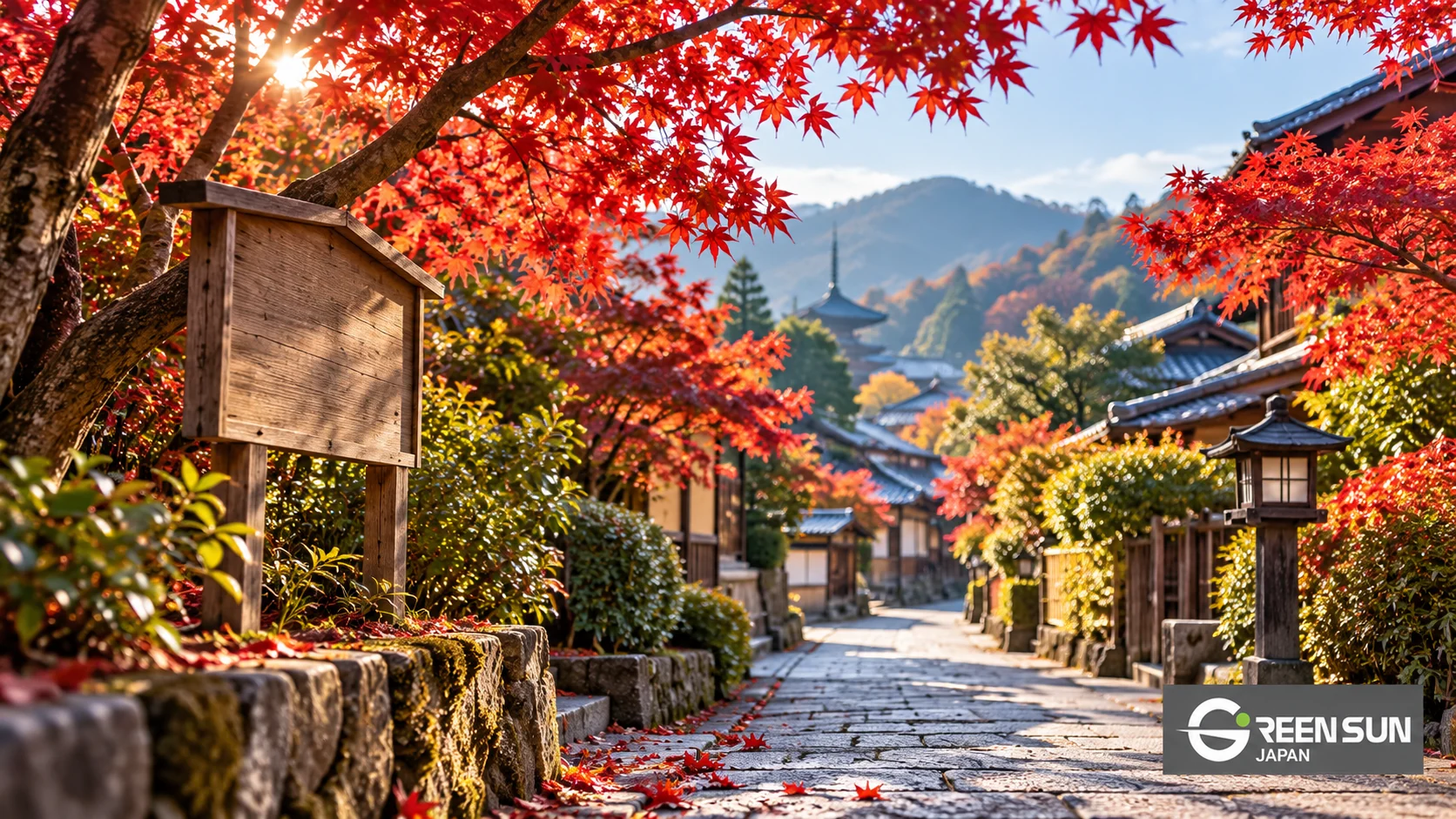
Translating momijigari as “leaf hunting” can obscure an outing to appreciate fall foliage. At the same time, translating every seasonal expression as “maple leaves” can make a broad landscape description too specific.
Illustrative fix: “Momijigari tour” becomes “Momijigari tour: an outing to enjoy the fall foliage.” Check the actual product before adding any further explanation of what the outing includes.
For an extended discussion of seasonal terms, use a dedicated terminology article or an approved glossary. In an error review, record the particular meaning that was missed.
3. Adding attractive details that the source does not support
“Enjoy the garden” does not authorize “Enjoy an exclusive, crowd-free guided walk.” The second version adds exclusivity, crowd conditions, and a guide.
Illustrative fix: Retain “Enjoy the garden,” or replace it with an equally limited invitation. Ask the operator to confirm any additional feature before including it.
Check adjectives as well as nouns. “Guaranteed,” “private,” “accessible,” and “included” can change customer expectations. Strong English writing should make approved facts clearer, not invent stronger facts.
4. Dropping a condition while shortening a sentence
Shorter copy is useful only when it preserves what matters. If the source says advance reservations are required, “Reservations available” weakens the condition.
Illustrative fix: “Advance reservation required.” If same-day access is discussed elsewhere, confirm how the two statements fit together before publishing them.
When reviewing a concise button, banner, or caption, compare it with the relevant source condition rather than with the length of another English version.
5. Using different names for the same place or product
A place name may appear in a heading, map, voucher, and meeting instruction. Inconsistent naming can leave the reader unsure whether those references point to the same location.
Illustrative fix: Approve one English name and record any necessary short form. Apply the decision across the product and customer messages, with the official source available to reviewers.
Distinguish a venue’s name from a nearby station or district. A consistent spelling is not enough if it identifies the wrong meeting point.
6. Turning a forecast into a guarantee
Expected seasonal conditions and confirmed operating details are different kinds of information. Editing “expected peak viewing period” into “peak viewing dates” may remove uncertainty the original deliberately retained.
Illustrative fix: “The expected viewing period is…” preserves the distinction, provided the source is current and the business approves the wording. Include a source or update note when that helps the reader assess changing information.
Do not reuse a previous season’s specific dates as current facts. Review the year, source date, and type of claim separately.
7. Approving the document without reviewing the published page
Correct text can become confusing after it is placed in a layout. A line break may separate a price from its category. A shortened button may no longer describe the action. An old confirmation template may contradict the updated product page.
Illustrative fix: Review a screenshot or authorized preview and record the exact location of the issue. Verify any affected system behavior with the responsible tester.
Use a simple issue record: source wording, published English, location, problem, proposed change, and approver. This gives the team something concrete to resolve and check again.
How to prioritize the review
Fix errors that change meaning or customer obligations before optional style changes. Group repeated issues so an approved decision can be applied consistently. Keep unresolved source questions visible rather than silently choosing the most appealing interpretation.
After correction, compare the changed text with the source and inspect it in context. A clean spelling check alone does not establish that the product description is accurate.
Frequently asked questions
Is literal English always a translation error?
No. It may be accurate but awkward, or it may genuinely distort meaning. Identify which problem applies before requesting a change.
Can we use invented examples in an educational article?
Yes, if they are clearly labeled as illustrative. Do not present them as client work, measured findings, or actual venue policies.
Which issues should be fixed first?
Prioritize changes to meaning, conditions, prices, names, and instructions. Then address naturalness and optional stylistic preferences.
Request a focused review
When discussing Japanese translation with Green Sun, share the source, English version, and intended publication format. Identify whether you need accuracy review, English editing, an in-context check, or a combination so the scope matches the problem.