For English-language tourism content, translate the meaning the reader needs in that sentence. Keep a Japanese term when it adds cultural value, explain it on first use, and use clear English for instructions. An attractive phrase is only helpful if it still describes the original experience.
Key takeaways
- Check the context before choosing an English equivalent.
- Explain unfamiliar Japanese terms when they first appear.
- Keep cultural description separate from unverified claims about an itinerary.
Should a tour page say koyo, “fall foliage,” or “fall colors”? Should momijigari remain in Japanese? These choices affect whether a description feels inviting or leaves readers guessing.
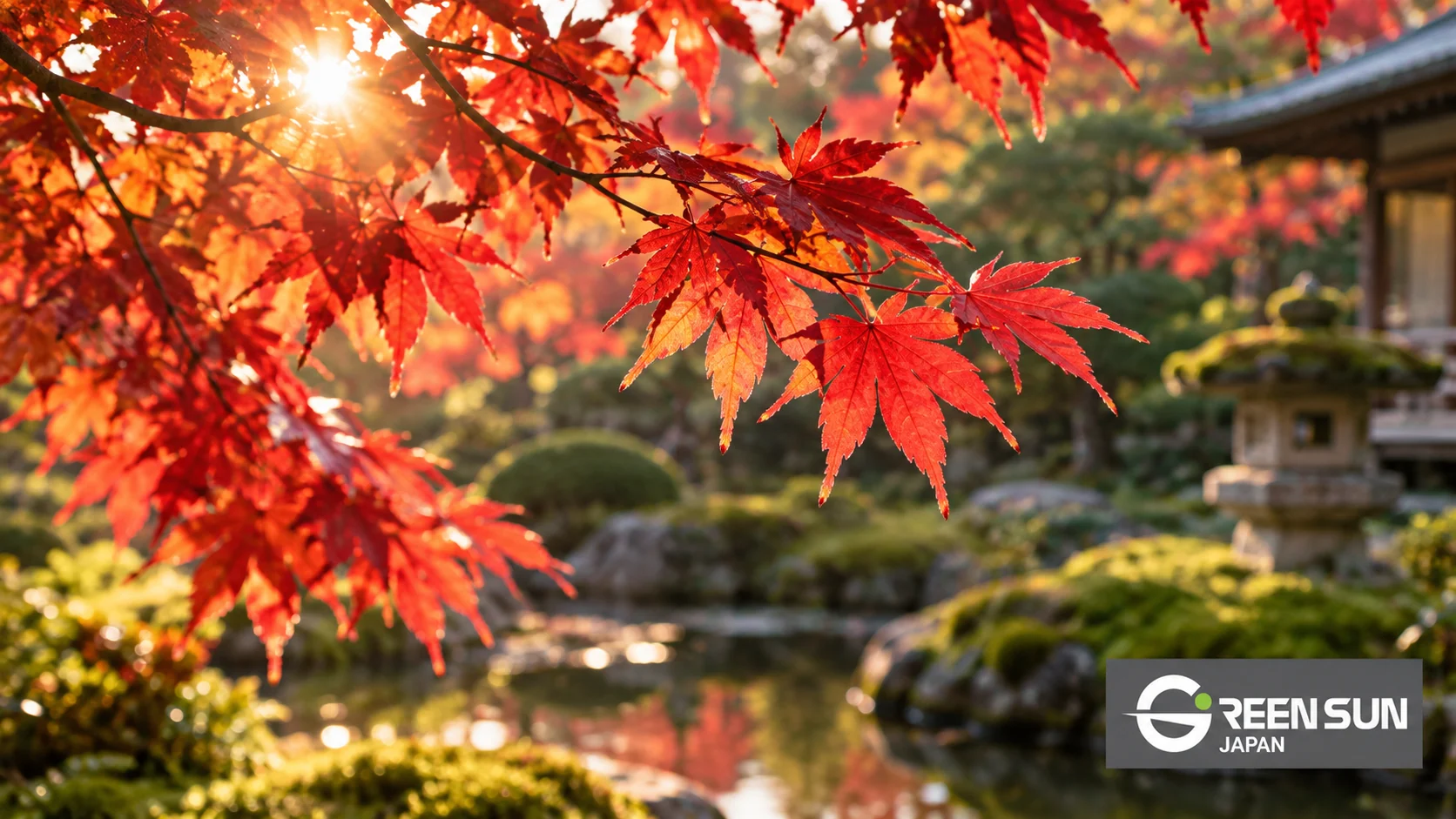
Momiji and koyo are not a word-for-word substitution exercise
In seasonal travel copy, koyo commonly describes autumn foliage or changing leaf colors. Momiji often points more specifically to maples or their leaves. The written form 紅葉 can be read differently, so surrounding text and the subject matter are important.
A photograph, place description, or Japanese reading supplied by the author may help resolve the meaning. Do not automatically translate every occurrence of 紅葉 as “Japanese maple leaves.” A passage about an area’s overall seasonal colors may need a broader expression.
JNTO’s November travel guide offers seasonal context, while its discussion of koyo and seasonal culture provides useful background for further reading.
Explain momijigari as an activity
A literal rendering such as “maple hunting” asks English readers to infer too much. If the point is the outing, “fall foliage viewing” gives them a usable description.
Illustrative wording: “Join a momijigari outing—a trip to enjoy the fall foliage.” This retains the Japanese name and explains the activity without adding a guide, admission ticket, or route that the source did not promise.
In a cultural feature, the term may deserve a paragraph. In a booking button, a short English action is usually more helpful. The amount of explanation should fit the format.
Use a terminology table as a starting point, not a rulebook
| Japanese term | Possible English | What to check |
|---|---|---|
| 紅葉(こうよう) | Fall foliage; fall colors | Whether the passage describes seasonal colors generally. |
| もみじ | Maple leaves; maples | Whether the sentence describes leaves, trees, or a named experience. |
| 紅葉狩り | Fall foliage viewing; momijigari with an explanation | Whether the cultural term itself is important. |
| イチョウ並木 | Ginkgo-lined avenue; rows of ginkgo trees | The actual setting and any approved place name. |
| 見頃 | Best viewing period; peak viewing period | Whether the timing is expected, observed, or confirmed. |
| 紅葉ライトアップ | Illuminated fall foliage; fall foliage illumination | Whether the phrase names an event or describes a scene. |
“Fall” is a natural choice for US-facing copy, while “autumn” can work in headings or descriptive prose. Consistency matters, but forcing either word into every sentence makes the writing less natural.
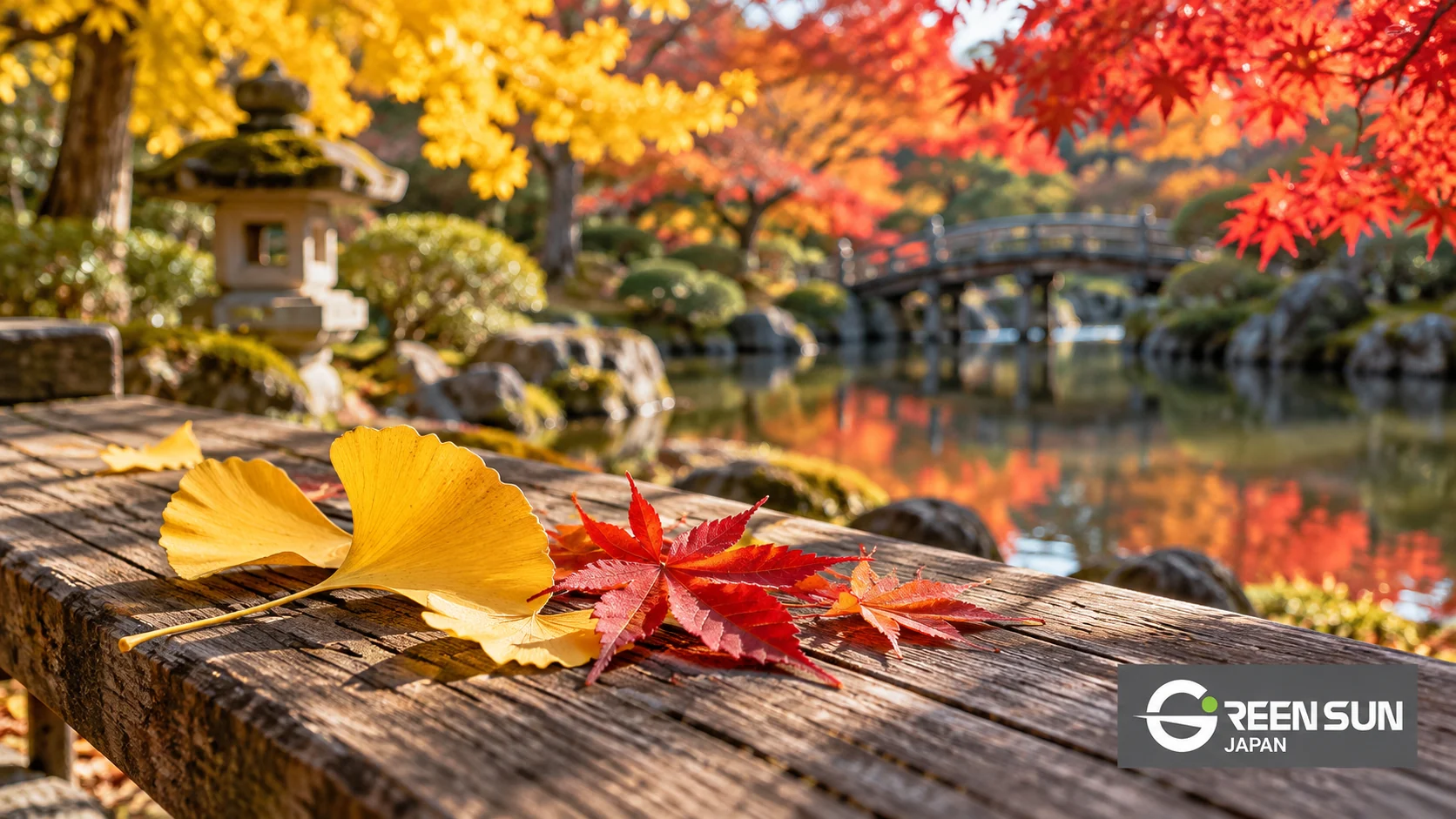
Improve the English without expanding the offer
Compare two ways to render an invitation to enjoy fall scenery:
Literal-style example: “Please enjoy the scenery of autumn.”
Edited example: “Take in the fall colors.”
The edited version is direct and keeps the claim modest. A more elaborate version about walking through peaceful temple gardens would only be appropriate if that location and access were established in the approved source.
Apply the same discipline to words such as “exclusive,” “uncrowded,” and “authentic.” They may sound persuasive, but each can add a claim the original never made. Ask the business to confirm the intended meaning before using them.
Preserve distinctions that carry cultural meaning
Do not treat “temple” and “shrine” as interchangeable labels. Verify a venue’s approved English name rather than choosing a religious term from visual appearance alone.
Similarly, decide whether a Japanese name needs an explanation, an English equivalent, or both. On first mention, the explanation can help readers understand the type of place. Later references can use the approved short form.
Romanization should follow an agreed convention. A tourism business may use diacritics in an editorial article and simplified spellings in a search field, but those choices should be deliberate. Do not create competing versions of a destination name across maps and confirmation messages.
Give the translator the missing context
A useful term record contains the Japanese expression, reading where necessary, approved English, context, source, and date of approval. Add an image or screenshot when it resolves ambiguity.
Record exceptions too. A retained Japanese term in an article may become plain English in a short navigation label. This is a contextual choice, not automatically an inconsistency.
Read the final English aloud. If the sentence sounds like a glossary entry rather than travel copy, shorten the explanation or move it to the next sentence. The goal is to help readers understand the experience without making them study terminology before they can continue.
Frequently asked questions
Should momiji always be translated as Japanese maple leaves?
No. The best rendering depends on what the text describes. Check whether it means leaves, trees, a seasonal scene, or part of a name.
Is momijigari the same as collecting leaves?
In tourism writing, it describes going out to appreciate fall foliage. A clear explanation avoids implying that an activity includes collecting or removing leaves.
Should every Japanese term appear in italics?
Follow the publication’s style guide. More important than a universal formatting rule is introducing unfamiliar terms clearly and applying the chosen style consistently.
Make cultural meaning part of your translation brief
Provide the Japanese context, preferred names, and intended reader when discussing Japanese translation with Green Sun. A clear terminology brief helps the team choose natural English without losing the distinctions your content needs.