


Traveling in Japan During Obon 2026: Dates, Crowds, Trains, and Travel Tips
Traveling in Japan during Obon can be very different from visiting at other times in August. Millions of people travel domestically to return to their hometowns, visit relatives, and spend time with family, making Obon one of Japan’s busiest annual travel periods.
In most of Japan, Obon is observed around August 13–16, 2026, although the dates vary by region. For travelers visiting Japan during Obon 2026, the main concern is not whether attractions will remain open, but how increased domestic travel can affect trains, flights, highways, hotels, and restaurant availability.
📌 Quick Guide: Traveling During Obon 2026
If your Japan trip overlaps with Obon 2026, keep these core points in mind:
- Core 2026 Peak Dates: The traditional Obon period in many parts of Japan is August 13–16, 2026, but travel surges begin as early as August 7.
- Strict Shinkansen Nozomi Rule: All Tokaido and Sanyo Shinkansen Nozomi trains operate with 100% reserved seating only from August 7–16, 2026. Non-reserved seats are suspended on Nozomi services during this peak window.
- City vs. Countryside Dynamics: Tokyo and Osaka business districts often feel less crowded as residents visit rural hometowns, while regional train routes and highways experience heavy congestion.
- Business Operations: Major tourist attractions and chain stores stay open, but independent family restaurants and private shops often close for summer holidays.
- Smart Itinerary Strategy: Minimize hotel-hopping during August 13–16; staying in a single hub city drastically reduces transit stress.
Contents
- 1. When Is Obon in Japan in 2026?
- 2. Why Is Travel So Busy During Obon?
- 3. Shinkansen & Transit Rules During Obon 2026
- 4. Flights, Highways, and Hotels Management
- 5. Are Attractions, Restaurants, and Cities Open?
- 6. Best Strategies for Traveling in Japan During Obon 2026
- 7. Why Obon Travel Information Needs Careful Localization
- 8. Frequently Asked Questions (FAQ)
1. When Is Obon in Japan in 2026?
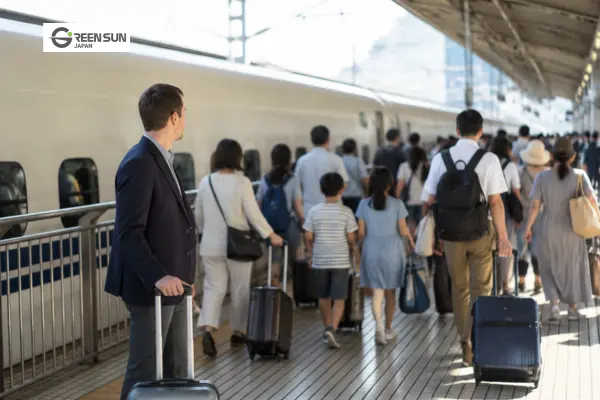
In much of Japan, Obon is traditionally observed from August 13 to August 16, 2026. However, there is no single nationwide Obon date that applies to every region.
Some urban areas (like parts of Tokyo) observe Obon in mid-July (Shichigatsu Bon), while other regions follow lunar calendar traditions (Kyureki Bon). Nevertheless, for international visitors planning long-distance transit, mid-August 2026 is the period that matters most because this is when massive domestic travel surges occur.
The identifies August 13–16 as the peak Obon holiday period and warns that domestic planes, Shinkansen trains, and highway express buses sell out far in advance.
2. Why Is Travel So Busy During Obon?
Obon is strongly associated with homecoming (u-turn travel). Millions of workers and students living in major metropolitan areas travel back to their ancestral hometowns.
Travel Pattern Breakdown:
- Outbound Rush (Aug 7–12): Massive travel surges flowing out of Tokyo, Osaka, and Nagoya toward regional prefectures.
- Inbound Return Rush (Aug 15–17): Heavy travel flows reversing back into major cities as holidaymakers return home.
For international visitors, a train route that is easy to manage on a normal weekday can become completely booked out during Obon week.
3. Shinkansen & Transit Rules During Obon 2026
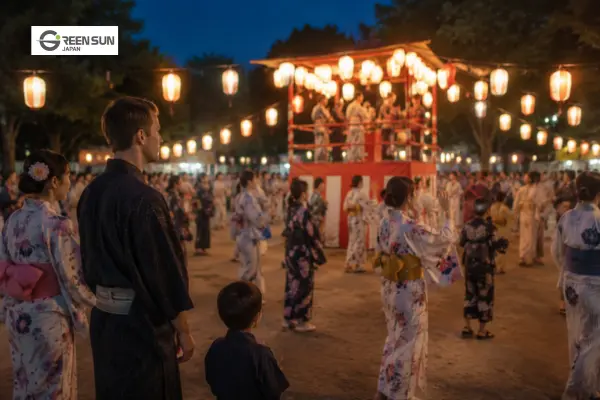
Moving between major cities like Tokyo, Kyoto, Osaka, Hiroshima, and Fukuoka requires advance planning due to specific railway policies in 2026.
| Transit Feature | Normal Days | Obon 2026 Peak Window (Aug 7–16) | Traveler Action Required |
|---|---|---|---|
| Tokaido & Sanyo Shinkansen (Nozomi) | Mixed Reserved & Non-Reserved cars | 100% Reserved Seats Only (Non-reserved suspended) | Must purchase reserved seat tickets 1 month in advance. |
| Hikari & Kodama Shinkansen | Mixed Reserved & Non-Reserved cars | Regular Reserved & Non-Reserved cars available | Seats fill quickly; advance booking highly recommended. |
| Discounted Passes (e.g., Platt Kodama) | Standard availability | Excluded / Suspended (Aug 6–16, 2026) | Expect standard peak seasonal fare pricing. |
| Luggage Space Booking | Required for oversized baggage | Strictly enforced due to crowded cars | Reserve luggage area seats when booking train tickets. |
4. Flights, Highways, and Hotels Management
Domestic Flights
Routes connecting Haneda/Narita (Tokyo) and Itami/Kansai (Osaka) with regional airports (e.g., Hokkaido, Kyushu, Okinawa) experience peak demand. Travelers with fixed international flight connections should allow extra buffer time when connecting from domestic flights.
Highway Congestion & Car Rentals
Renting a car during Obon can lead to major highway delays (jūtai). Expressways connecting major cities to regional areas frequently experience 20–40 km traffic jams. Avoid tight driving itineraries during August 12–16.
Hotel Pricing & Availability
Hotels in major sightseeing spots and near summer festival sites experience high demand and peak rates. If your preferred hotel is full, consider staying 1–2 train stations away along local rail lines.
5. Are Attractions, Restaurants, and Cities Open?
Tokyo vs. Kyoto Experience
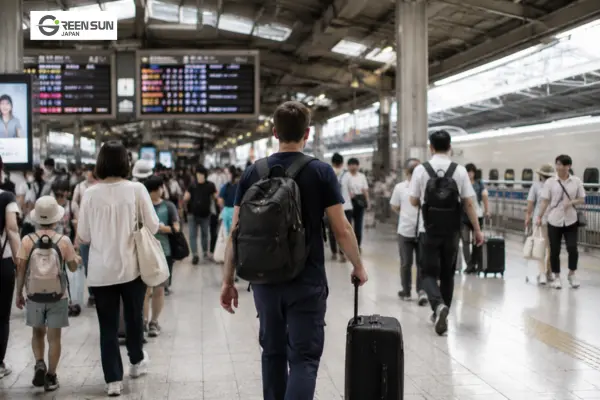
- Tokyo: Residential and financial districts (e.g., Marunouchi, Otemachi) feel noticeably quieter as locals leave. Major tourist districts (Shinjuku, Shibuya, Asakusa) remain active.
- Kyoto: Extremely busy due to domestic tourists attending traditional Obon events such as the famous Gozan Okuribi mountain bonfire ceremony.
Business & Attraction Operations
- Open: Major tourist attractions, museums, theme parks, shopping malls, convenience stores, and public transit.
- Closed / Limited: Small family-run restaurants, independent boutiques, and private medical clinics often close for 3–5 days for summer break. Always check official social media accounts or websites before visiting independent eateries.
6. Best Strategies for Traveling in Japan During Obon 2026
| Travel Challenge | Recommended Obon Strategy | Practical Benefit |
|---|---|---|
| Crowded Trains | Reserve Shinkansen seats exactly 30 days prior to departure at 10:00 AM JST. | Guarantees seating on preferred Nozomi trains during peak days. |
| Transit Stress | Adopt a "Hub-and-Spoke" strategy (stay 4–5 nights in one base city like Osaka). | Eliminates frequent luggage hauling and train reservation stress. |
| Station Bottlenecks | Use luggage forwarding services (Takuhaibin) between hotels. | Allows effortless navigation through crowded Shinkansen platforms. |
| Dining Closures | Confirm restaurant operating hours via official channels or hotel concierges. | Prevents arriving at closed independent family eateires. |
· Discover the traditions and cultural meaning behind Obon in Japan
· Essential etiquette tips for visitors during Japan’s Obon season
7. Why Obon Travel Information Needs Careful Localization
Obon demonstrates why travel information about Japan cannot be translated word-for-word. Calling Obon simply a “Japanese public holiday” is misleading to international travelers, as Obon is not an official statutory public holiday, but rather a cultural vacation period combining family customs, business breaks, and heavy domestic transit.
Effective Japanese-to-English localization explains what terms mean in real-world practice, helping travel brands, hotel chains, and transit operators set clear expectations for global visitors.
🚀 Enhance Your Tourism & Travel Content with Green Sun
Communicating Japanese travel advisories, festival schedules, or hospitality information to international audiences requires accurate cultural localization and clear English phrasing.
Green Sun provides specialized for tourism boards, hotel groups, transportation providers, and destination marketing organizations (DMOs).
Why Tourism Brands Partner with Green Sun:
・🌸 Travel & Cultural Expertise: Native Japanese-to-English linguists specializing in transit rules, festival guides, and hospitality content.
・⚡ Rapid 30-Minute Business Response: Prompt, professional project scoping and consultation.
・🛡️ 3-Tier Quality Assurance: Rigorous Translation ➔ Editing ➔ Cultural QA workflow.
👉 Contact Green Sun today to discuss your tourism, travel, or cultural localization project.
8. Frequently Asked Questions (FAQ)
Q1. When Is Obon in Japan in 2026?
In most parts of Japan, Obon is observed from August 13 to August 16, 2026. Travel surges begin around August 7 and extend through August 17.
Q2. Is August a Bad Time to Visit Japan Because of Obon?
Not at all. Japan remains fully operational, and Obon offers unique cultural experiences like Bon Odori folk dances. However, you must book long-distance transportation and accommodations well in advance.
Q3. Are Shinkansen Trains Running During Obon 2026?
Yes. All Shinkansen lines operate on full holiday schedules. Note that Tokaido/Sanyo Shinkansen Nozomi trains operate with 100% reserved seating only from August 7 through August 16, 2026.
Q4. Should I Book Shinkansen Tickets Before Traveling?
Yes. Reservations open 30 days prior to departure date. Booking in advance is critical for group travelers or those carrying large luggage.
Q5. Are Restaurants and Shops Closed During Obon?
Major department stores, malls, chains, and tourist attractions stay open. However, small family-owned restaurants and independent shops frequently close for summer vacation.
Q6. Is Tokyo Empty During Obon?
Business districts (like Marunouchi) feel quieter as locals leave for rural hometowns. However, major tourist and entertainment hubs (Shibuya, Shinjuku, Asakusa) remain lively with domestic and international visitors.